THE RAVEN ENGINEERING GROUP

Blog

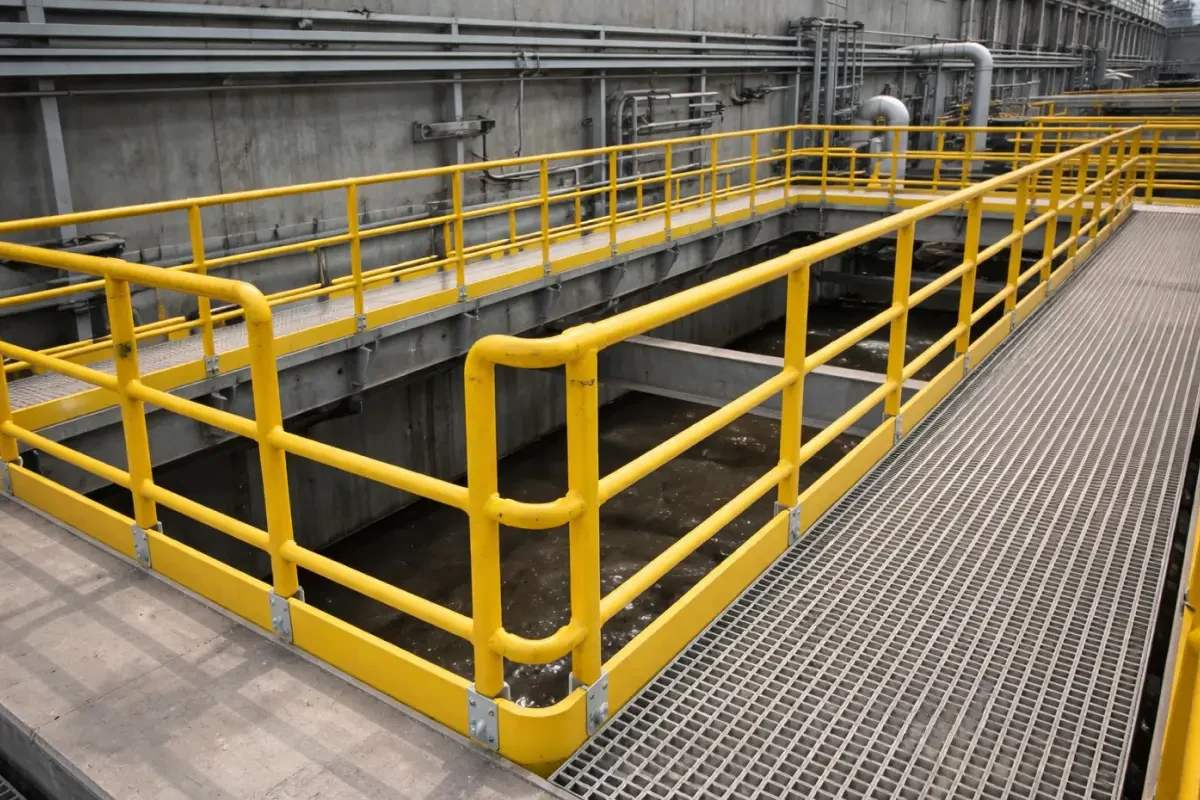
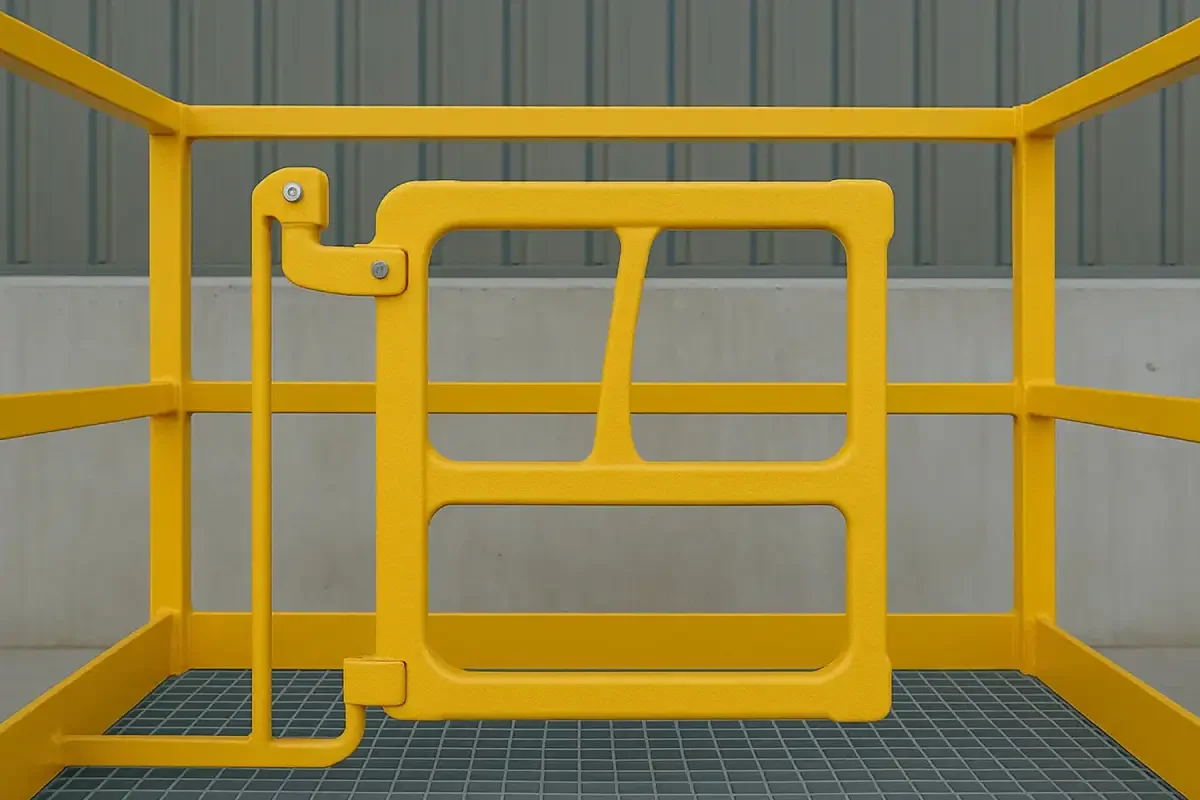
FRP Walkways vs Steel Walkways: which is Better for Industrial Use?

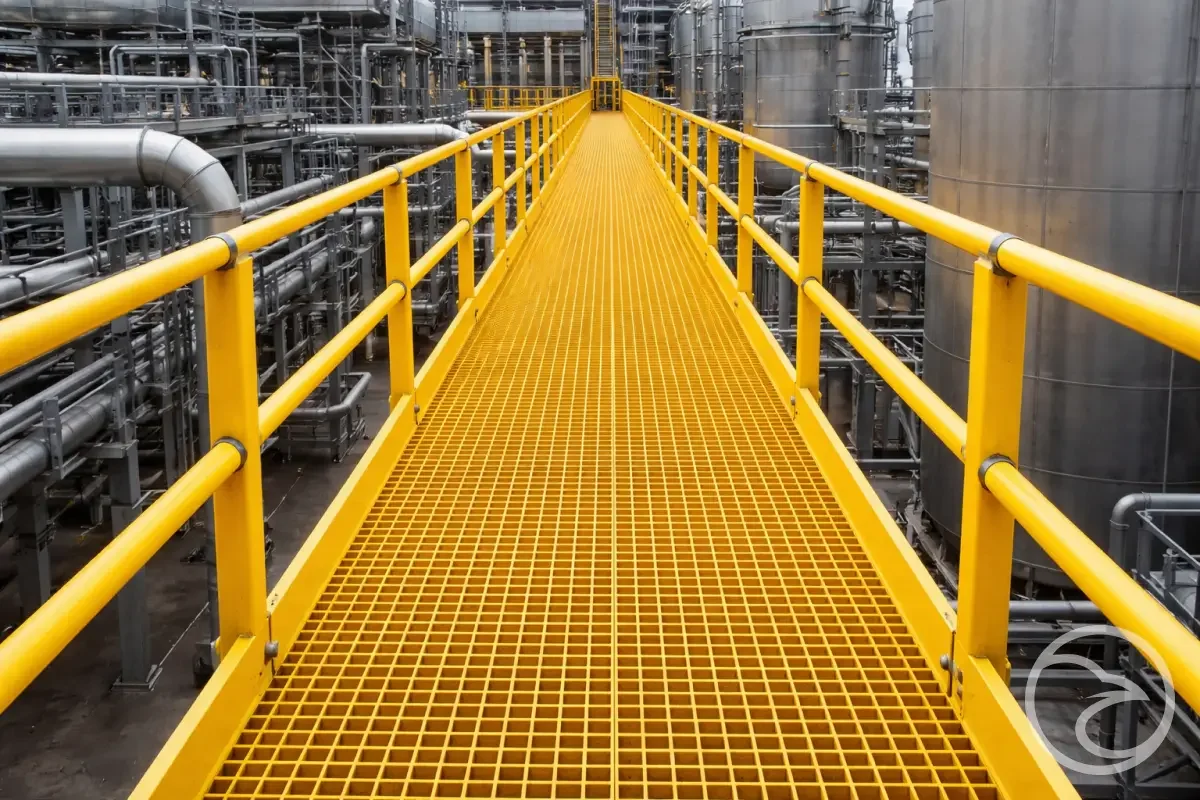
Industrial walkways are essential for safe access, maintenance, and operations across a wide range of industries. Choosing the right material

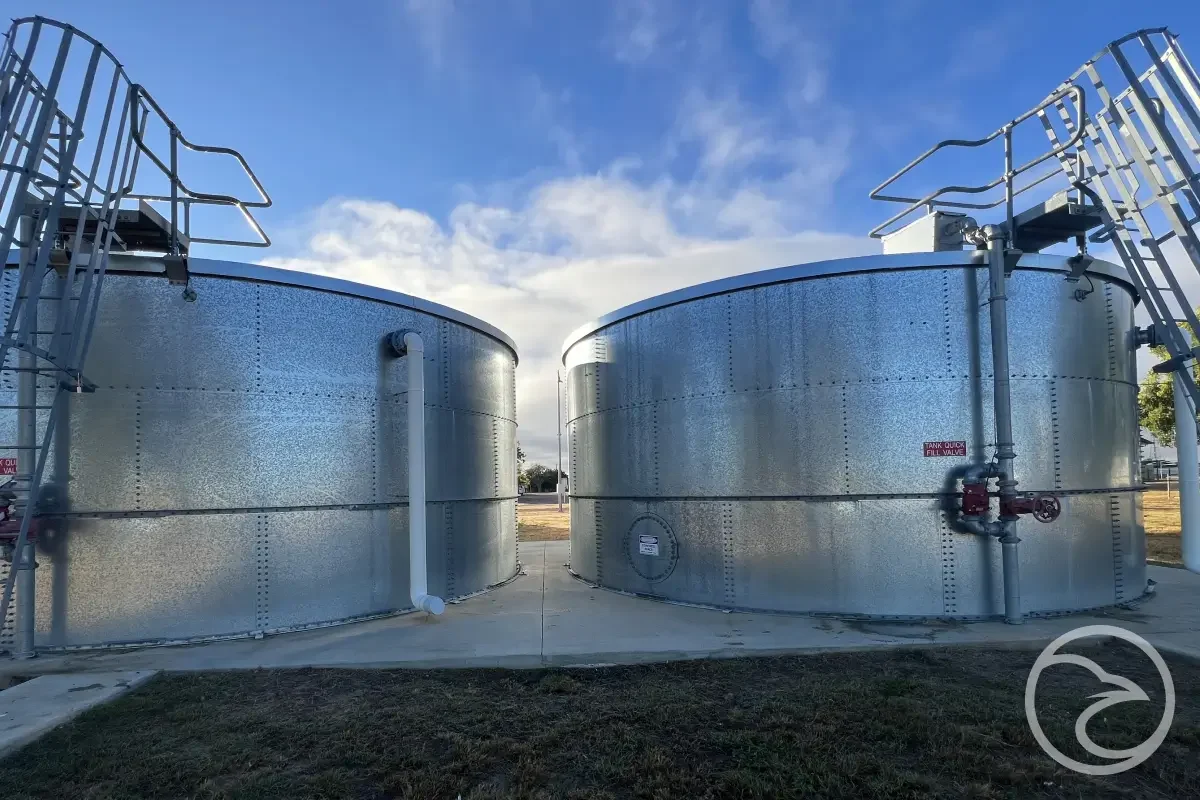
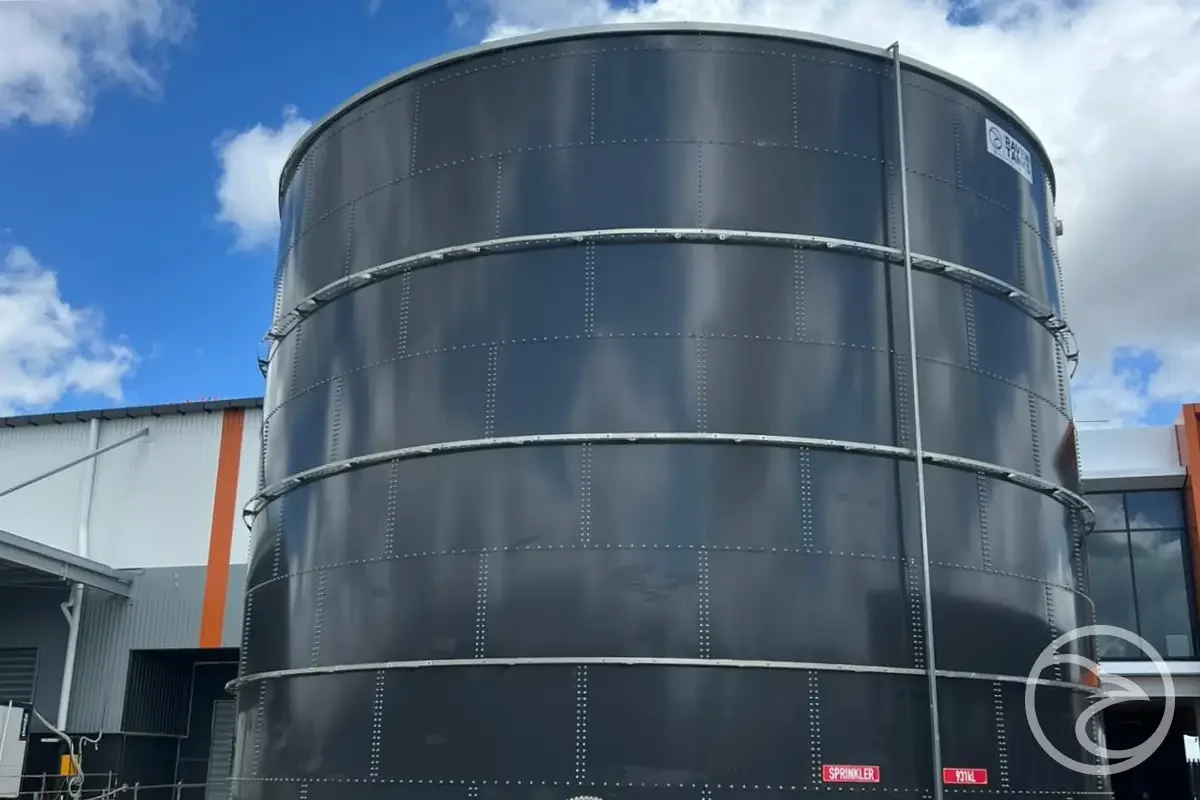
How Panel Tanks Work and Store Large Volumes of Water

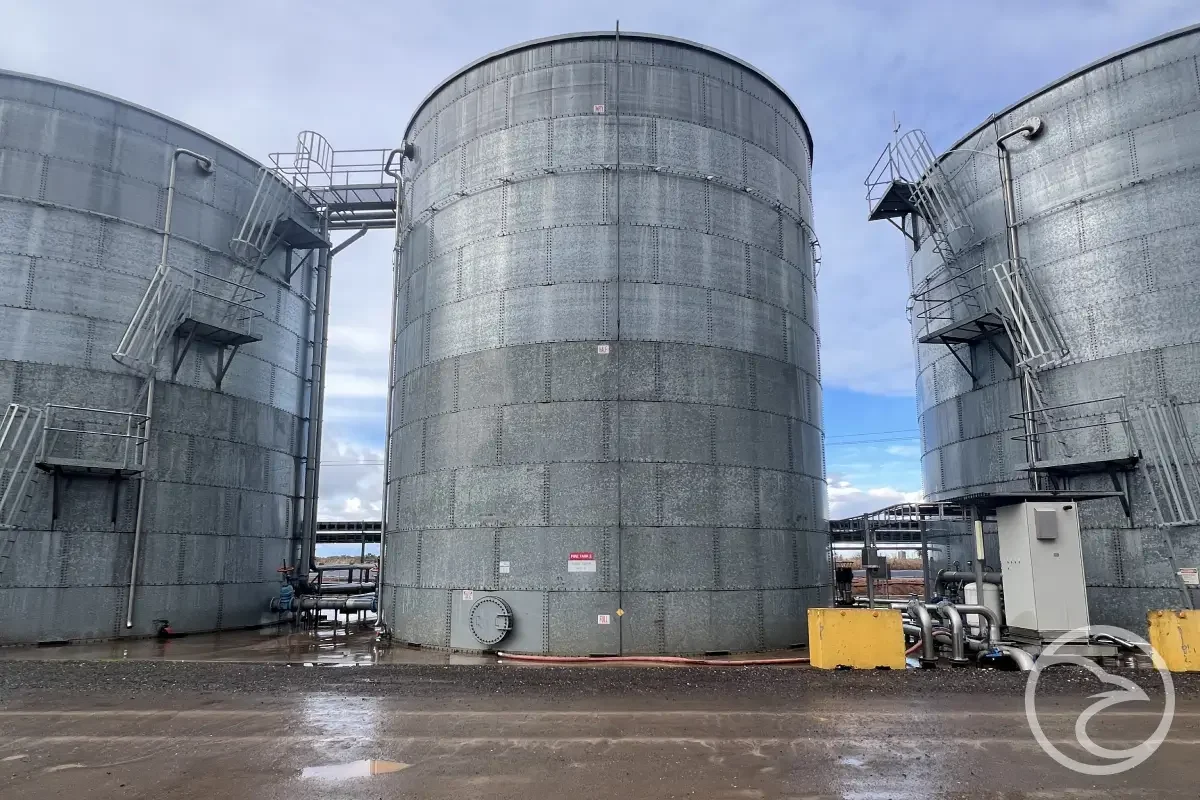
Water storage systems are essential for supplying water to buildings, industrial facilities, and agricultural operations. In many cases, large storage

Top Advantages of GRP Panel Tanks You Should Know

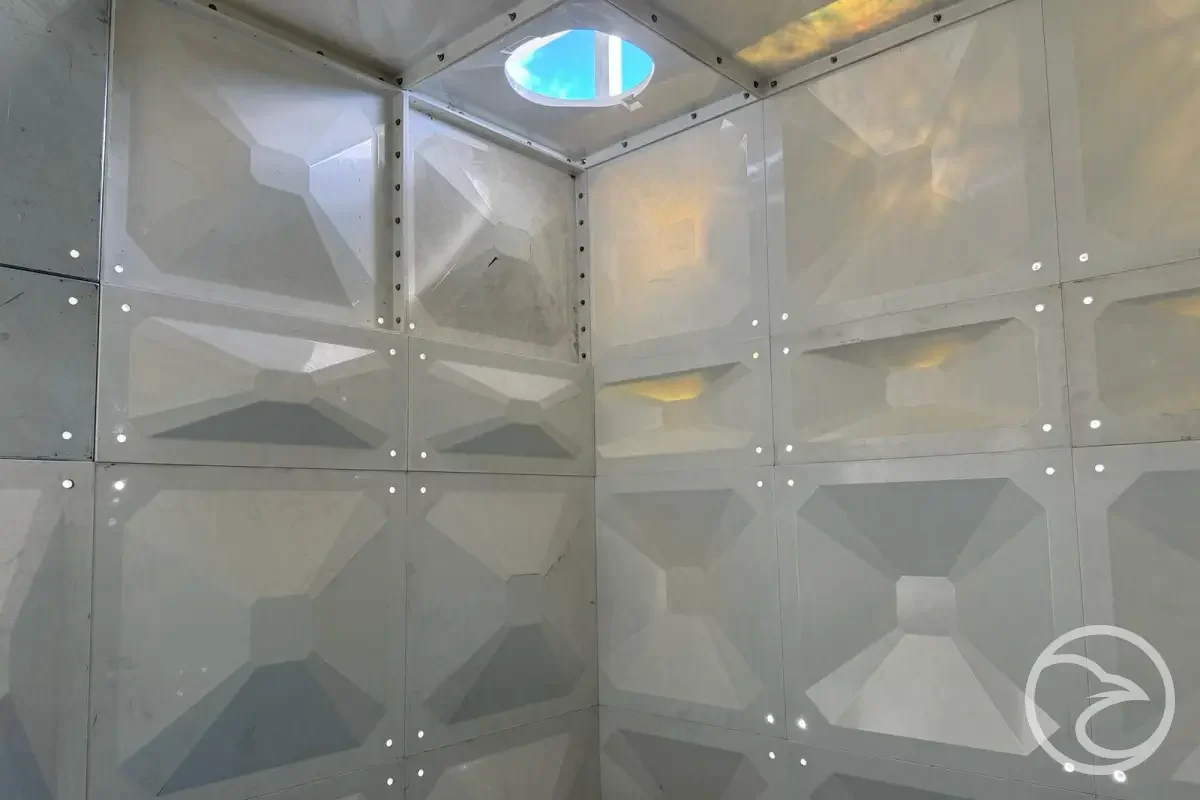
Water storage systems are essential across residential, commercial, and industrial sectors. As infrastructure demands grow, the need for reliable, durable,

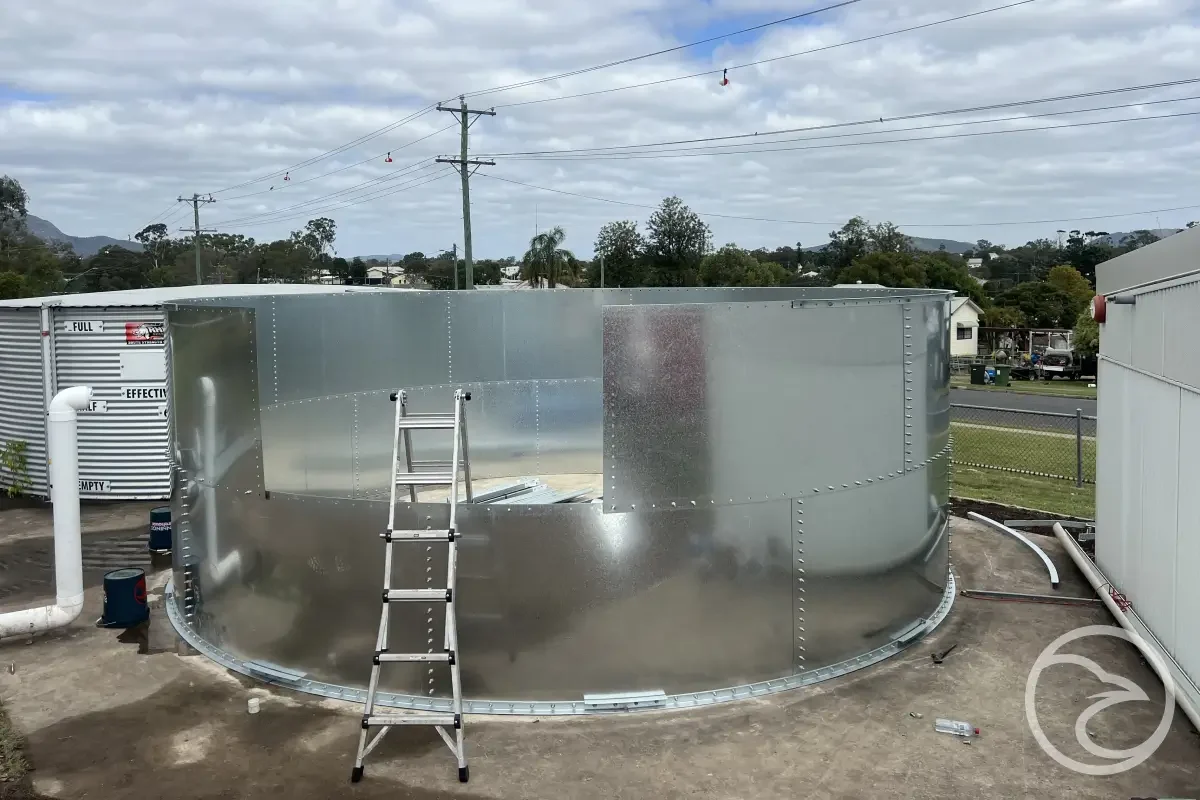
What Makes Bolted Water Tank Systems so Practical?

Water storage infrastructure must balance durability, scalability, and cost efficiency. Traditional welded steel or concrete tanks can be effective, but

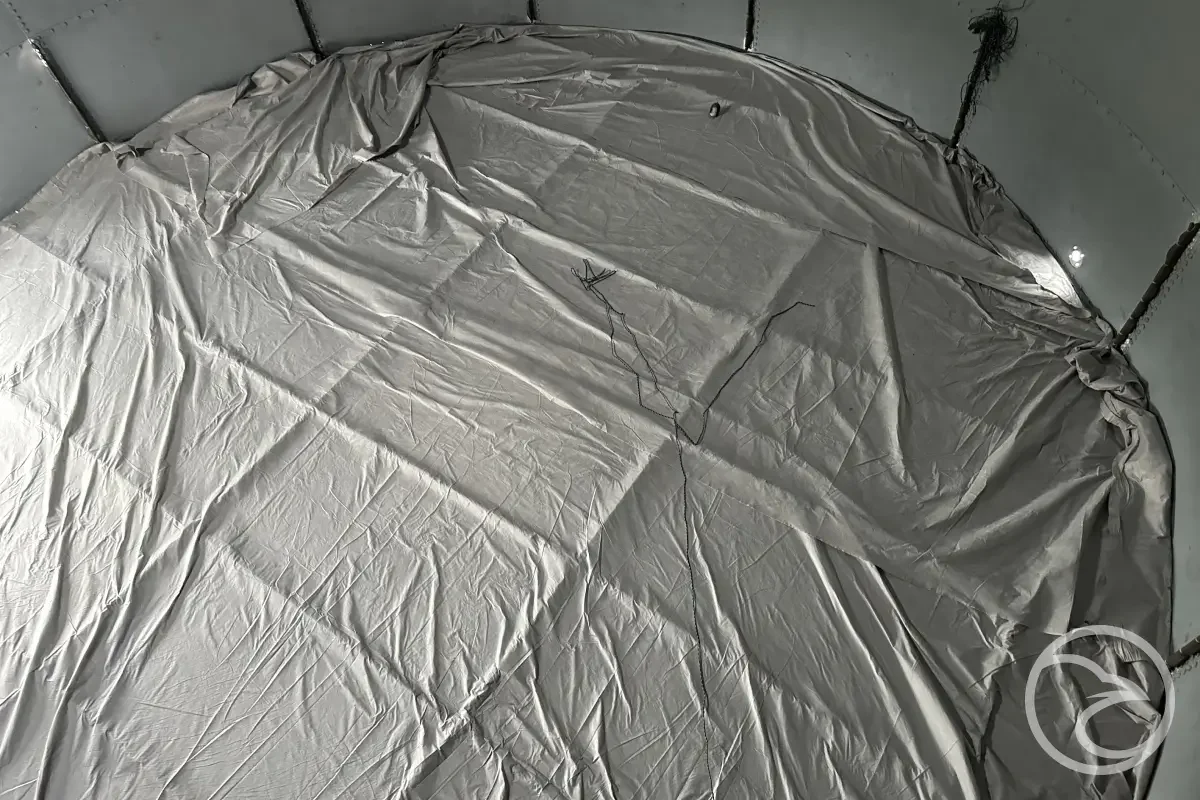
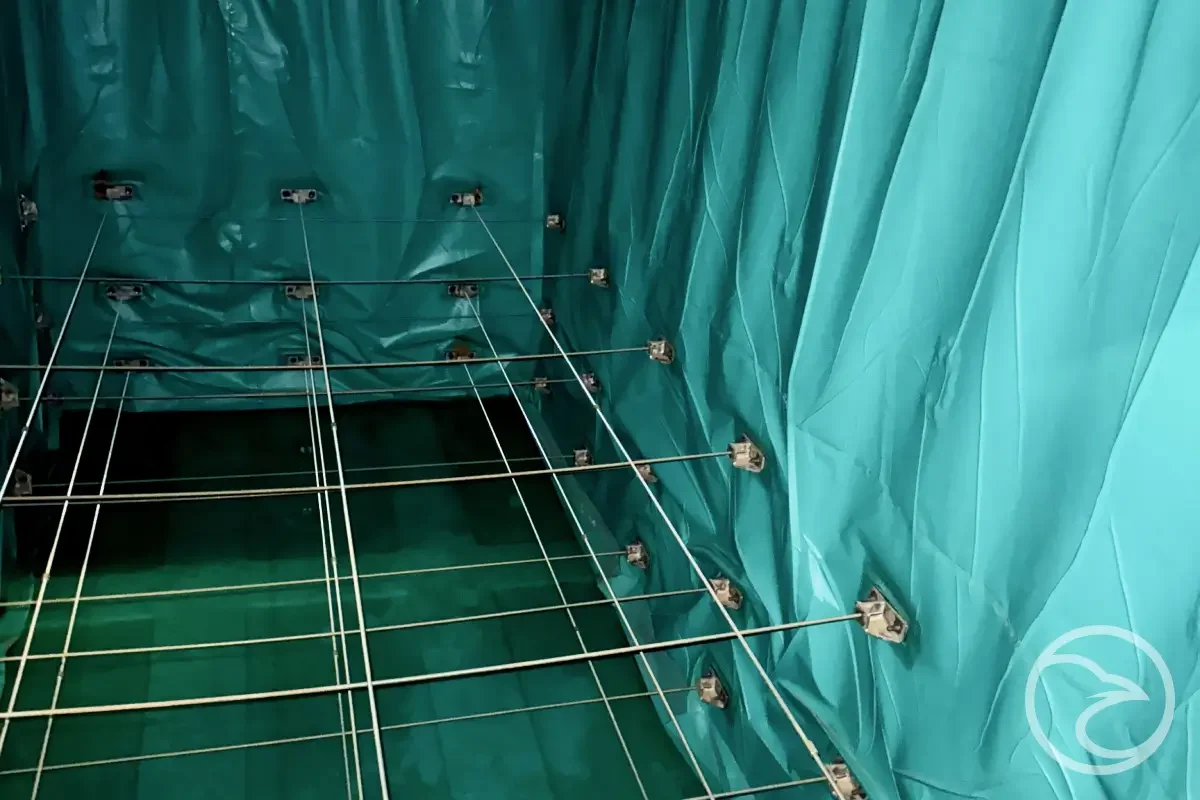
Why Flexible Tank Lining Improves Water Storage Reliability

Reliable water storage is essential for industrial facilities, agricultural operations, and infrastructure projects. Over time, tanks may experience corrosion, leaks,

Engineering Considerations Behind Industrial Handrails

Industrial handrails play an important role in workplace safety, infrastructure protection, and operational reliability. Found in manufacturing facilities, water treatment

How Sectional Tank Construction Advantages Support Flexible Design

Water storage infrastructure continues to evolve as industries, agriculture, and municipalities seek durable, adaptable, and efficient solutions. Among modern storage

Why Corrosion Resistance Matters in Industrial Safety Gates

A corrosion-resistant safety gate plays an important role in maintaining safe access control within industrial environments exposed to moisture, chemicals,

Panel Water Storage System Design: Engineering and Planning Considerations

Panel water storage systems are widely used in industrial, commercial, and infrastructure environments due to their modular construction and flexible

Liner Compatibility for Modular Tanks: Design Constraints and Material Considerations

Modular tank systems rely on segmented construction to provide flexibility in capacity and layout. While this approach offers clear structural

Tank Internal Protection Methods: how Storage Systems are Protected Over Time

Water storage tanks are exposed to constant internal stresses caused by stored water, environmental conditions, and operational use. While external

Dead Zones in Water Tanks:why they Matter More than You Think

Water storage tanks are often designed to hold large volumes reliably over long periods. However, even well-constructed tanks can develop
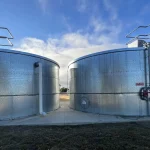
How Internal Conditions Influence Panel Water Storage Performance

Panel water storage systems are often evaluated based on their visible structure and construction materials. Panels, joints, and external finishes

What Influences Long-Term Tank Design and Material Choices

Designing a water storage tank is never just a technical exercise. Long-term performance depends on how design decisions and material

Why Flexible Materials Perform Better in Harsh Industrial Water Environments

Industrial water environments often present challenging conditions for containment systems. Variations in temperature, chemical exposure, pressure changes, and mechanical stress

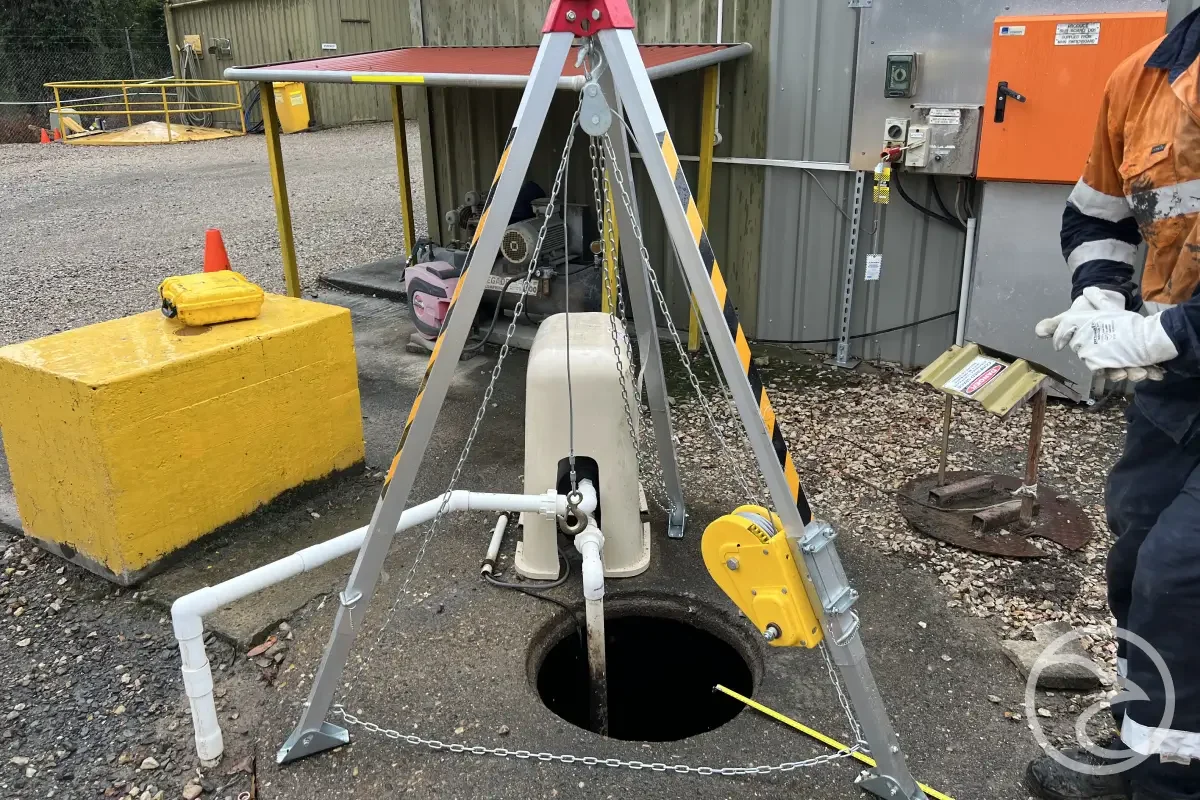
Why Confined Space Work Requires Dedicated Standby Support

Confined spaces present some of the most complex and hazardous environments in industrial operations. These areas—such as tanks, silos, pits,

How FRP Materials Improve Safety in Industrial Access Systems

Industrial access systems must deliver consistently high levels of safety, durability, and performance. Whether used in manufacturing plants, processing facilities,

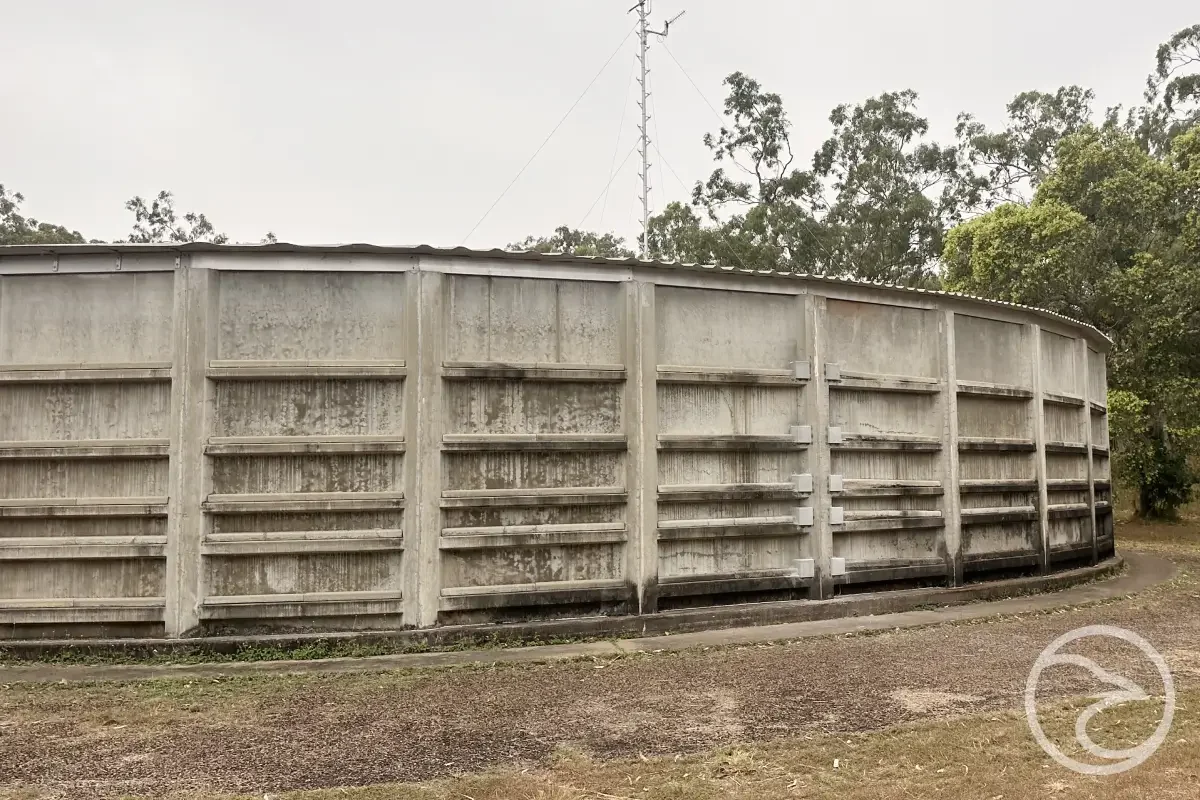
Why Concrete Water Tanks Develop Cracks Over Time

Concrete water tanks are trusted across industrial, agricultural, commercial and municipal applications for their strength, durability and cost-effectiveness. However, even